For sealant applicators
Kitchen Fit-Out Sealing for Applicators
Kitchen fitters, builders and homeowners all post the final sealing on new kitchens. Here is how applicators can claim it, plan it and leave joints that pass a close look.
· 4 min read · General information, not professional advice.
A new kitchen is one of the most looked-at rooms in a house. The worktops are expensive, the doors are new and the owner will stand at the sink every day, so the sealant joints are noticed in a way a joint behind a radiator never is. That makes kitchen fit-out sealing steady, repeat work for applicators who are neat and easy to book.
Who posts kitchen sealing jobs
Three kinds of people post this work:
- Kitchen fitters and small fit-out firms who would rather hand the sealing to someone who does it every day than spend the last afternoon of a job on it.
- Builders and main contractors finishing extensions and refurbishments, often with the kitchen as one item on a longer snagging list.
- Homeowners whose fitter has left, or who bought a flat-pack or online kitchen and fitted it themselves.
Fitters and builders tend to post with a date and a list. Homeowners tend to post with photos and a worry, such as a gap behind the worktop or a black line along the upstand. Who posted changes what goes in your claim.
The joints in a fitted kitchen
Most kitchens have the same handful of joints. Naming them in your claim shows you know the job.
- Worktop to wall, or upstand to wall. The longest run, and the one most likely to be seen against a light wall. Walls are rarely flat, so the gap can change along its length.
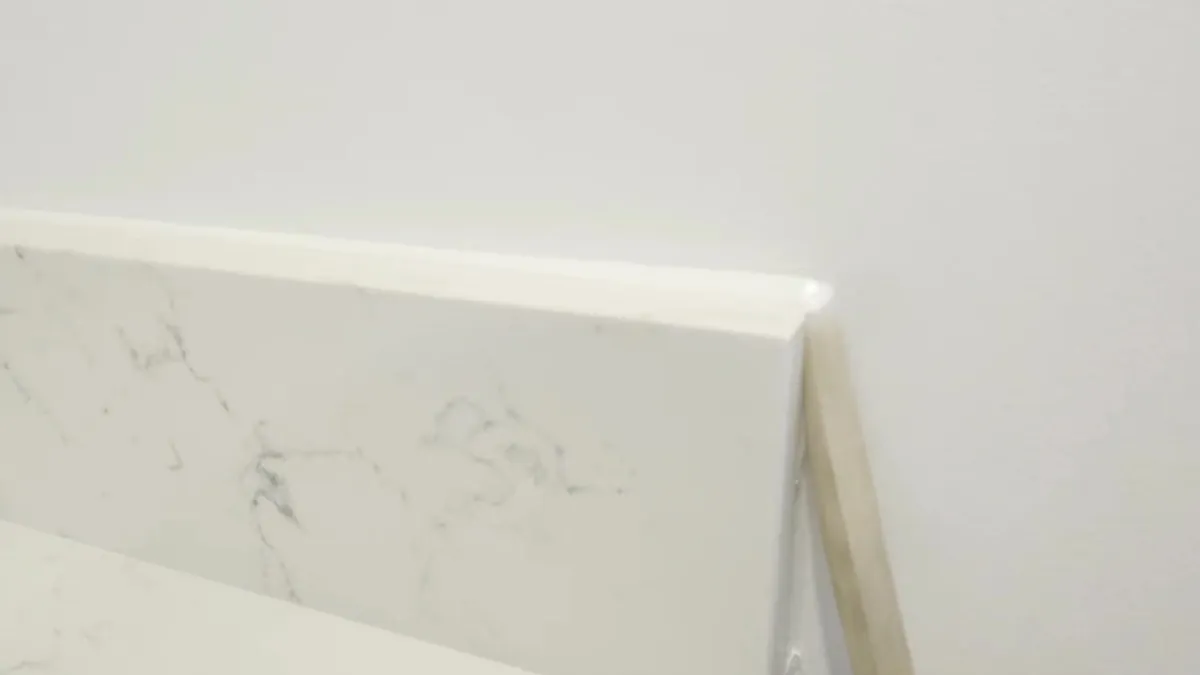
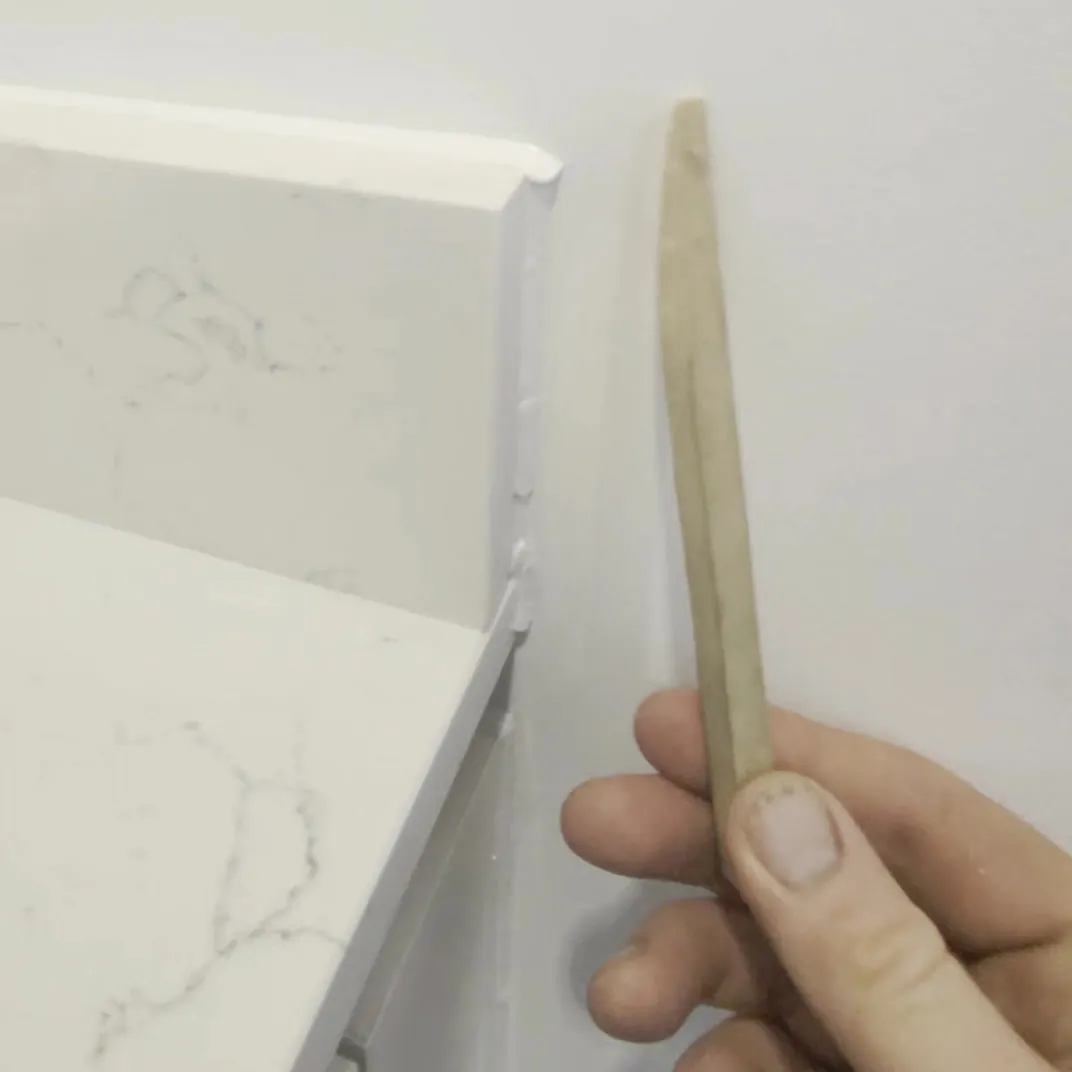
- The ends of upstands and splashbacks. A short return where the stone stops and the wall carries on. It is easy to leave lumpy, and it sits at eye level.
- Sink and hob cut-outs. Undermount sinks are usually bonded by the worktop installer, but the visible joint still needs to be clean and continuous.
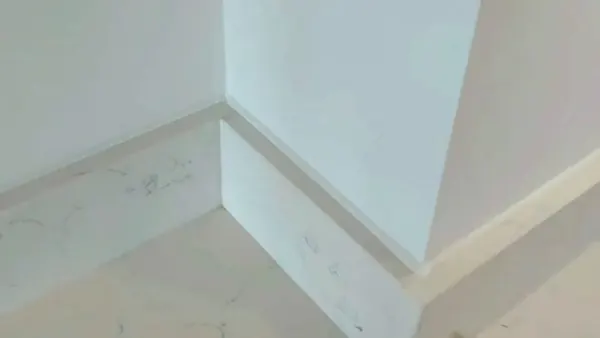
- End panels and tall units against the wall. Tall larder and oven housings rarely sit tight to a wall, and the gap shows from across the room.
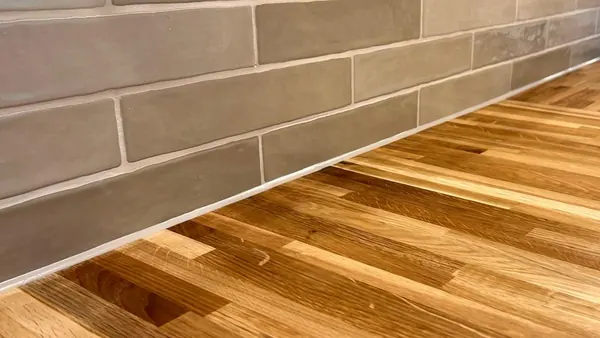
- Plinths and the floor. Where the plinth meets a tiled or stone floor, a thin bead keeps out mop water and crumbs.
Questions to answer in your claim
Your claim message is your first impression, so keep it short and practical:
- What you will seal. List the joints from the post, and ask about any you cannot see in the photos.
- Colour. White, clear or a colour matched to the worktop or the wall. On veined quartz, a slightly off-white often blends better than bright white, so say you will bring options.
- When you can come. Fitters want the sealing done soon after the worktops go in, before the painter's last coat or the handover. Give a day or two you can do.
- What could change the price. A wide gap behind a worktop may need a backing rod or a fix by the fitter first, so say you will check and ask before doing extra.
Our guide to writing claims that win work has more on the wording.
Plan the visit around the other trades
Sealing too early or too late causes problems.
- Wait until the worktops are fixed. Stone and quartz tops should be fully installed and any upstands bonded before you seal them to the wall.
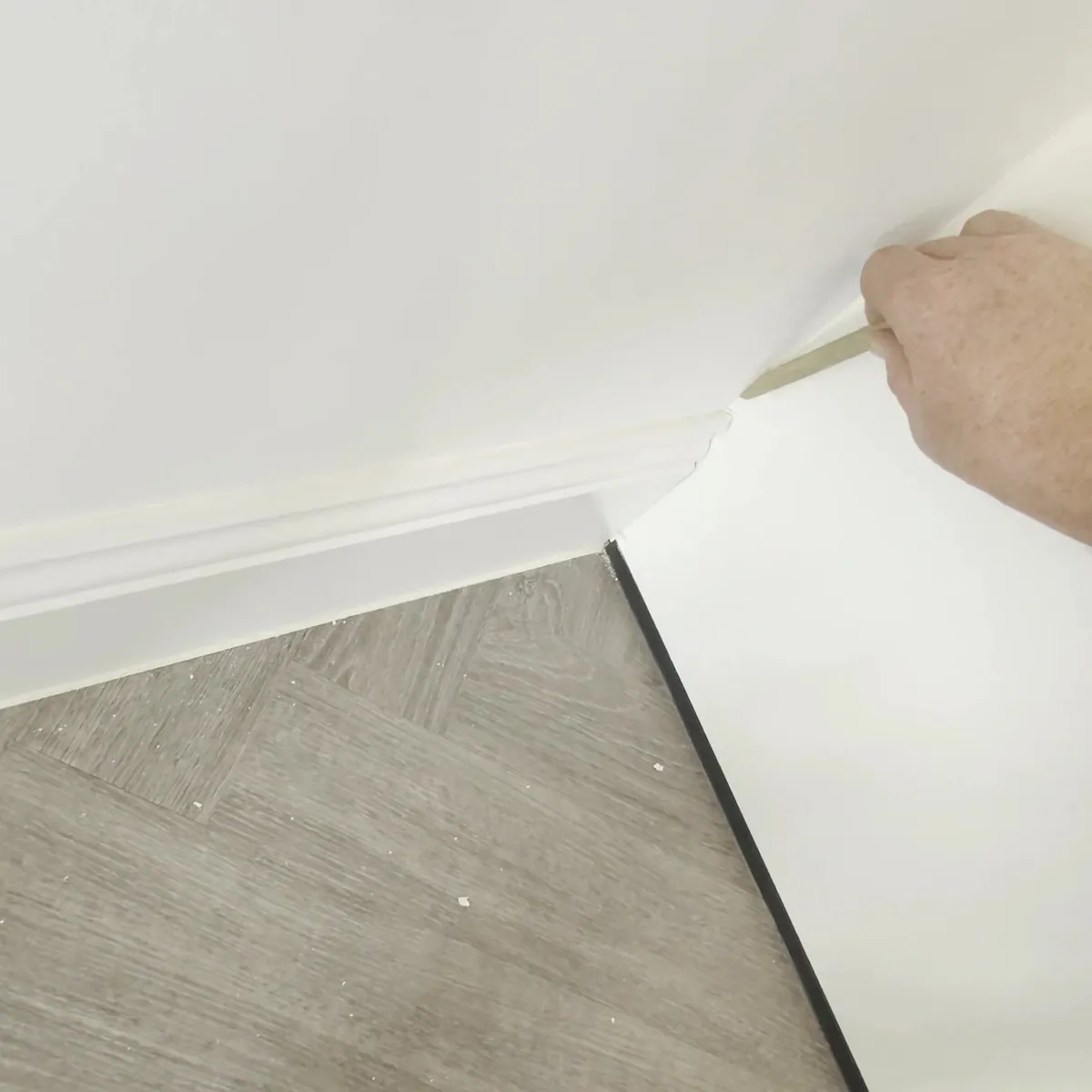
- Agree the painting order. Painting over fresh silicone does not work, so the wall should be painted first, or the painter told which joints to stop at.
- Clean and dry first. Fit-outs are dusty. Vacuum the joints and wipe them down, or the bead will not grip.
- Protect the surfaces. Tape where needed, keep tools off the worktop and wipe away any smears straight away. A mark on a new quartz top is a far bigger problem than a slow job.
- Leave cure time. Tell the client how long to keep water and cleaning sprays off the joints.
Hand over a kitchen the client will show off
A good handover brings repeat work from fitters and recommendations from homeowners.
- Take photos of each joint once finished, from the same angle as the client will see it.
- Tell the client which product and colour you used, so a future touch-up matches.
- Mention anything that is not a sealant issue, such as a loose upstand, a drawer that rubs or a leak under the sink.
Keep fit-out work coming
Fitters and builders who find a reliable applicator tend to post again. Answer quickly, turn up when you said you would and leave the kitchen cleaner than you found it.
Set your work area to take in the towns where new kitchens are going in, including new estates around Oldham, St Helens and Worcester, and check find a mastic man for every area with its own page. Browse sealant jobs for applicators and bathroom and kitchen resealing to see what gets posted, and read our second-fix mastic guide for the plinths, skirting and door frames that often come with a kitchen job.
Applicator numbers vary by area, so we cannot promise a set amount of work. But applicators who plan around the other trades and leave clean joints are the ones fitters remember when the next kitchen goes in.
Got a sealant job?
Post it once, compare up to 3 applicators
Describe the job, add photos and your postcode district. It is free, and your contact details stay hidden until you choose.
Mastic or sealant applicator?
Find sealant work near you
Browse jobs free, then subscribe to respond: 30 days free, then £29.99/month, cancel anytime.