For sealant applicators
Commercial Washroom Resealing for Applicators
Offices, gyms, cafés and schools all have washrooms that need resealing. Here is how applicators can price, plan and finish that work without disrupting the building.
· 5 min read · General information, not professional advice.
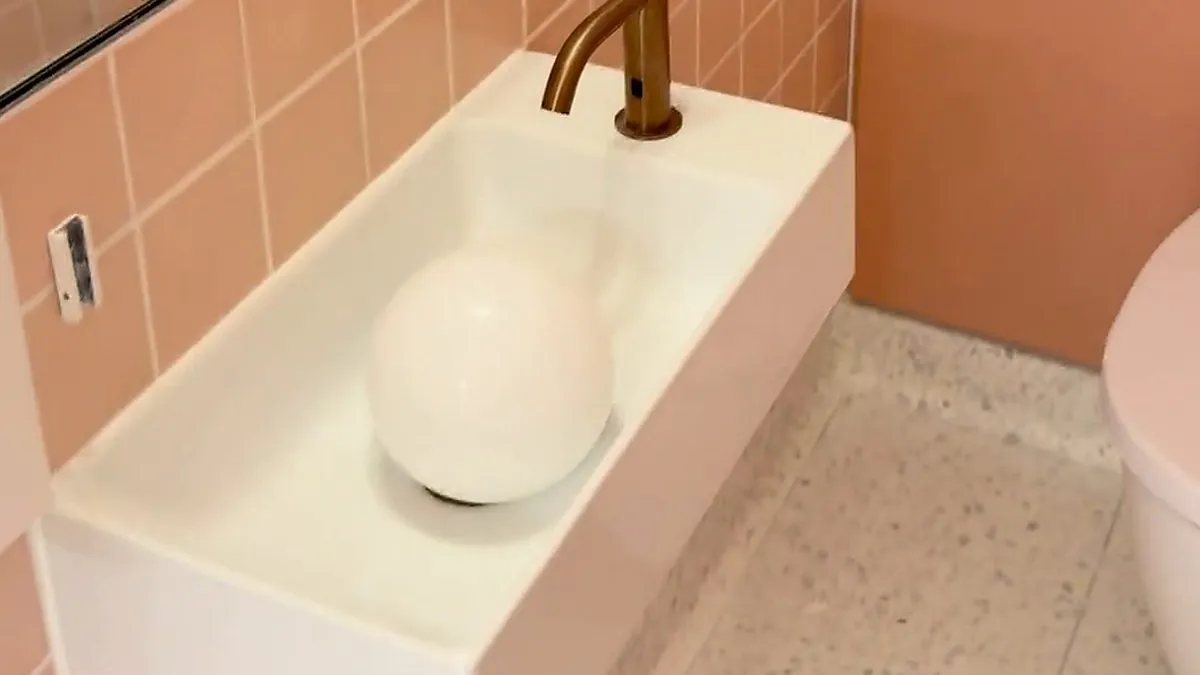
A domestic bathroom reseal is usually one room and one afternoon. A commercial washroom might be one of six in an office block, a gym changing area, the customer toilets in a café or a row of school showers. The joints are much the same, but the people around them are not, and that changes how you price, plan and finish the job.
This guide is for applicators who want more commercial washroom resealing.
Who posts this work
Most commercial washroom jobs come from people who look after buildings rather than own them: facilities managers, office and practice managers, surveyors and small business owners. Many of them start the same way a homeowner does, by searching for a mastic man near me and posting the job when the first few numbers they ring are booked up. They post through the business option and often describe the job by its complaints, such as black marks along the shower trays or water on the floor of the accessible toilet.
Read the post for what the building is used for and when it is busy; that tells you more than the number of joints.
Questions to answer in your claim
Your claim message has up to 800 characters, and the reader may need to forward it before they can book. Keep it practical:
- What you will do. Cut out the old sealant, clean and dry the joints, treat any mould and reseal basins, worktops, urinal splashbacks, shower trays and floor-to-wall junctions, for example.
- When you can do it. Say whether you can work early, late or at weekends, and how many washrooms you can do in a visit.
- How long they lose the room. Give the time the work takes and how long the sealant needs before water and cleaning chemicals touch it.
- What could change the price. Loose tiles, a leaking trap or rotten boxing behind a panel are common, so say you will photograph anything like that and ask before doing extra.
Our guide to writing claims that win work has more on the wording.
Plan around the building, not just the joints
The washroom is still needed while you work. A few habits make the job easier to approve:
- Do one room at a time. If there are separate washrooms, offer to close one while the others stay open, and agree the order with the client.
- Put the cure time in writing. Showers and basins should not be used, or wiped with strong cleaner, until the sealant has cured. Agree when the room reopens and leave a simple sign on the door.
- Talk to the cleaners. Cleaning teams often work early or late with strong products, so ask when they clean and make sure the new beads are left alone until cured.
- Check the site rules. Offices, schools and healthcare buildings may ask for RAMS, an induction or a DBS check. If the post mentions them, say in your claim that you can meet them.
Get the details right
Commercial washrooms are cleaned hard and used all day, so joints fail for different reasons than at home.
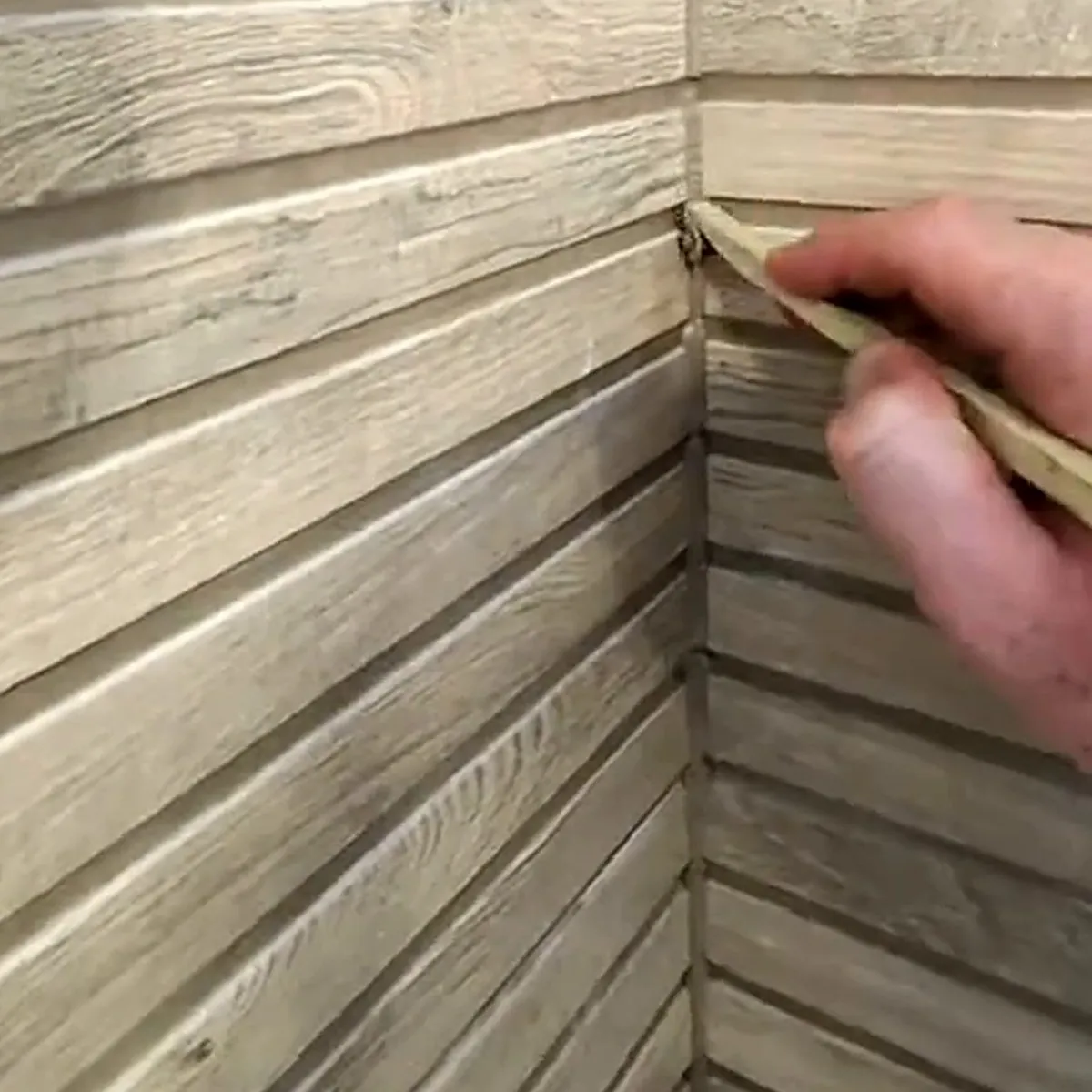
- Wall-hung basins and vanity tops move a little every time someone leans on them. If a basin is loose on its brackets, new sealant will crack within weeks, so tell the client before you seal over it.
- Shower trays and wet-room floors in gyms and changing rooms stay damp for most of the day. Cut the old sealant out fully, dry the joint properly and use a sanitary sealant suited to constant wet.
- Urinal and splashback joints pick up dirt and cleaning chemicals. Leave a smooth, tight bead that is easy to wipe.
Leave a record the client can file
Facilities managers keep records for every building, so give them:
- photos of each joint before and after, taken from the same angle;
- a short list of the rooms and joints you did, and the product and colour you used;
- the time each room can be used again;
- anything you saw that is not a sealant job, such as a dripping tap, a slow waste or an extractor fan that does not run.
That last point matters. Mould that keeps coming back in a windowless washroom is usually a ventilation problem, and telling the client so is worth more than another quick reseal.
Keep the commercial work coming
Washroom maintenance repeats, often before an inspection or during a quiet week, and the person who booked you once will often post again.
- Answer quickly and clearly. A manager with a list of jobs tends to book whoever replies first with a plan they can forward.
- Set your area to match the work. Offices, retail parks and schools cluster in certain postcodes, so set your base and radius to take them in. Big cities such as Birmingham, Manchester and Leeds have plenty of offices, gyms and schools, and you can see every area on find a mastic man. Our guide to choosing your work area explains how.
- Keep alerts on. Business posts are free, and email alerts tell you when a matching job goes up near you. Browse sealant jobs for applicators, commercial and industrial sealing and bathroom and kitchen resealing to see what gets posted.
No site can promise a set amount of work, and applicator numbers vary by area. But applicators who plan around the building, keep the client informed and leave a clean record tend to see the same managers in their job feed again.
Got a sealant job?
Post it once, compare up to 3 applicators
Describe the job, add photos and your postcode district. It is free, and your contact details stay hidden until you choose.
Mastic or sealant applicator?
Find sealant work near you
Browse jobs free, then subscribe to respond: 30 days free, then £29.99/month, cancel anytime.