For homeowners and contractors
Second-Fix Mastic: A Guide for Contractors
Second-fix mastic is the last joint before handover, and the one clients notice. How to plan skirting, frame, plinth and panel sealing and post it clearly.
· 4 min read · General information, not professional advice.
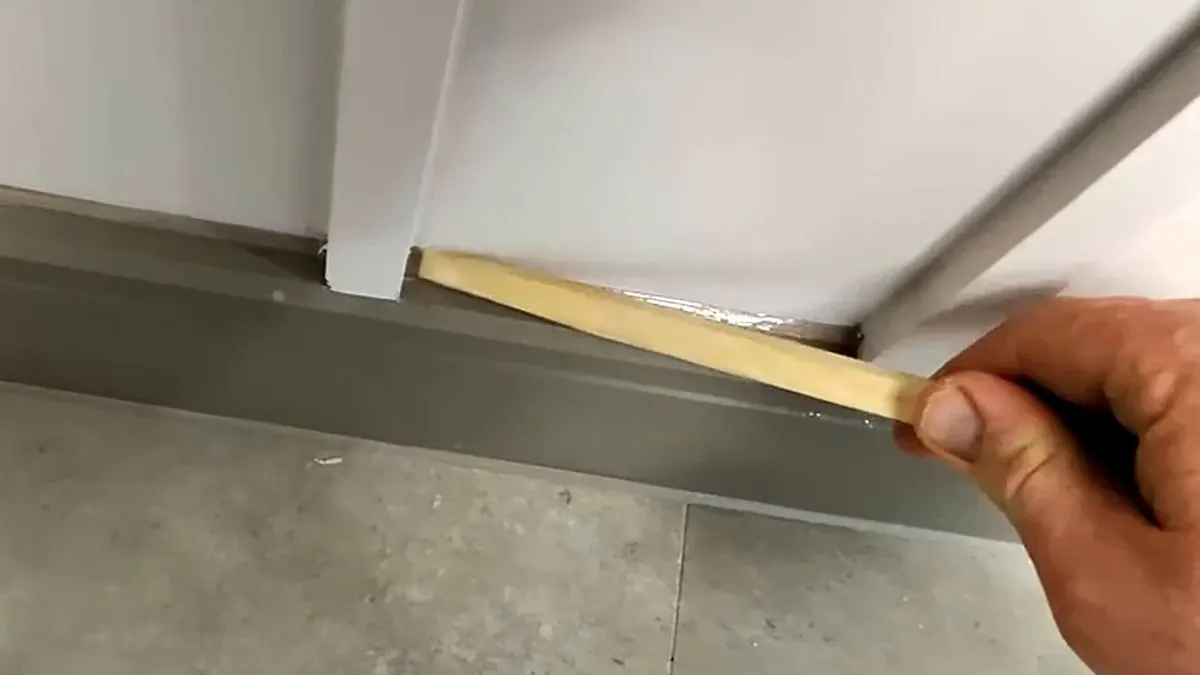
On a fit-out or a new build, second-fix mastic is the joint that closes everything off: skirting to floor, door frames to walls, kitchen plinths to tiles, wall panels to trims. It is usually one of the last trades through the door, so it gets squeezed by the programme, and it is also one of the first things a client looks at when they walk round. This guide is for contractors, fit-out firms, kitchen installers and site managers who want that work done neatly, on time and without a long snagging list.
What counts as second-fix mastic
Second-fix mastic covers the internal joints that are sealed once the joinery, tiling and flooring are in. On a typical job that includes:
- skirting boards to the floor, especially against hard floors and tiles
- door frames, linings and architraves where they meet walls and floors
- kitchen plinths, end panels and worktop upstands
- wall panelling, fluted panels and timber trims
- window boards and internal reveals
- sanitaryware, shower trays and tiled corners in bathrooms and washrooms
Some of these joints are cosmetic and some keep water out, so they rarely take the same product or the same finish. Treat them as separate items when you plan and when you post.
Get the sequence right
Most second-fix mastic problems come from sealing too early or into a dirty joint. Before you book anyone, check that:
- Floors are down and finished. Sealing skirting to a floor that is still being laid or cleaned means the joint gets cut or contaminated.
- Dust has settled. Sanding, cutting and cleaning leave a film in every gap, and sealant does not bond well to dust.
- The building is close to its normal temperature. Timber, panels and screeds move as a new building dries out and the heating comes on. A joint sealed into a cold, damp shell is more likely to crack.
- The decorator and the applicator know who goes first. Joints that will be painted are usually sealed before the final coat with a paintable product. Silicone in kitchens and bathrooms normally goes in after painting, because paint will not stick to it.
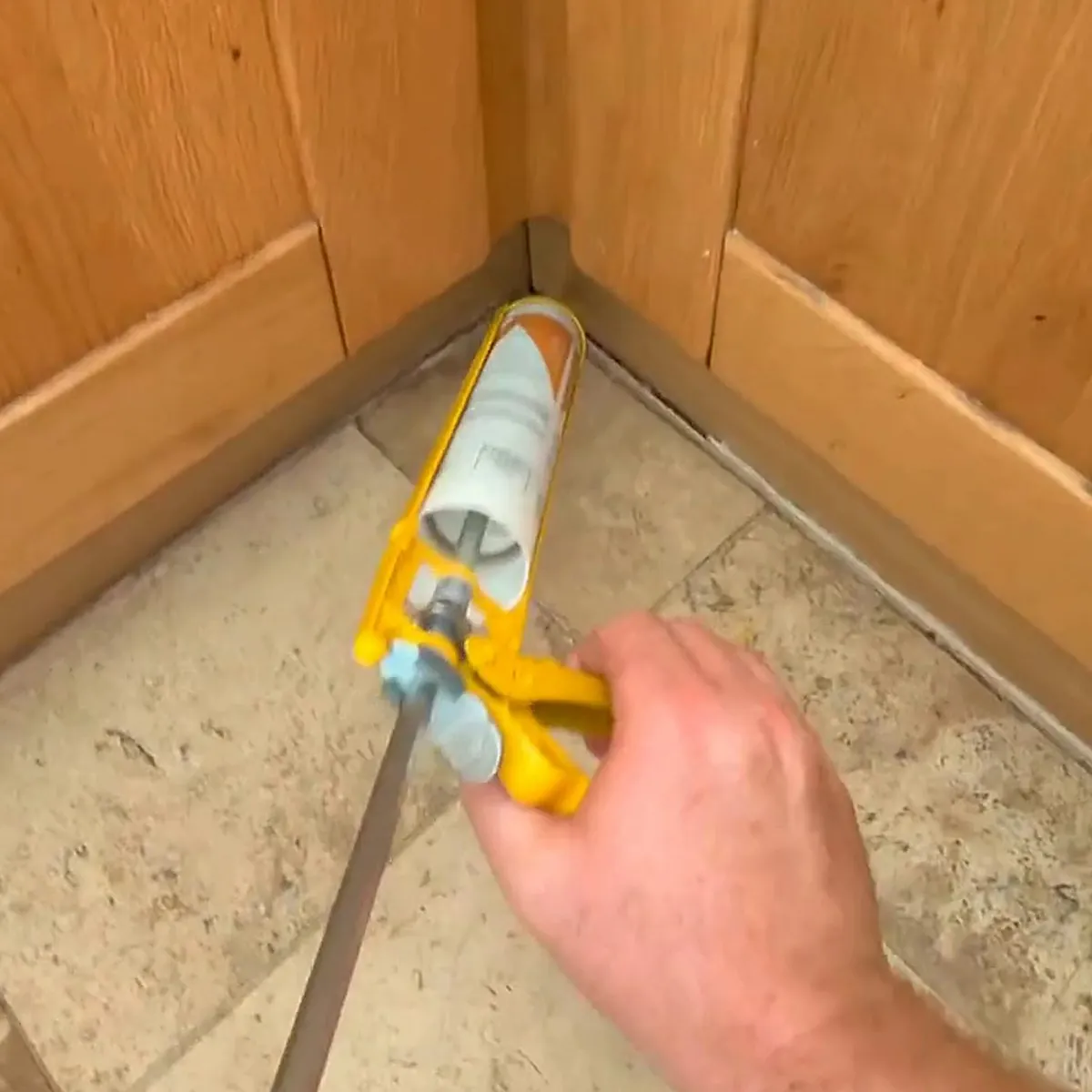
Say what each joint needs
Applicators can price and plan properly only when they know what the specification is. For each type of joint, say:
- what it meets: timber, MDF, painted plaster, tile, stone, vinyl, metal
- the finish: paintable, clear, white or colour-matched to a sample or a code
- whether it is wet or dry: wet areas need a sanitary silicone with mould resistance
- how wide the gaps are: a joint wider than a few millimetres may need a backing rod or a different product, and a gap that is too big may be a joinery snag, not a sealant job
If the client or the designer has named a product or a colour, put it in the post. If not, say so, and applicators can suggest one in their message.
Agree a sample area first
On anything bigger than a single house, ask the applicator to finish one room or one plot as a benchmark before the rest. Walk it with them and with whoever signs the job off. Agree the bead size, the finish and how corners and ends are formed, then take photos so everyone can refer back to them. It is far quicker to change the approach after one room than after forty.
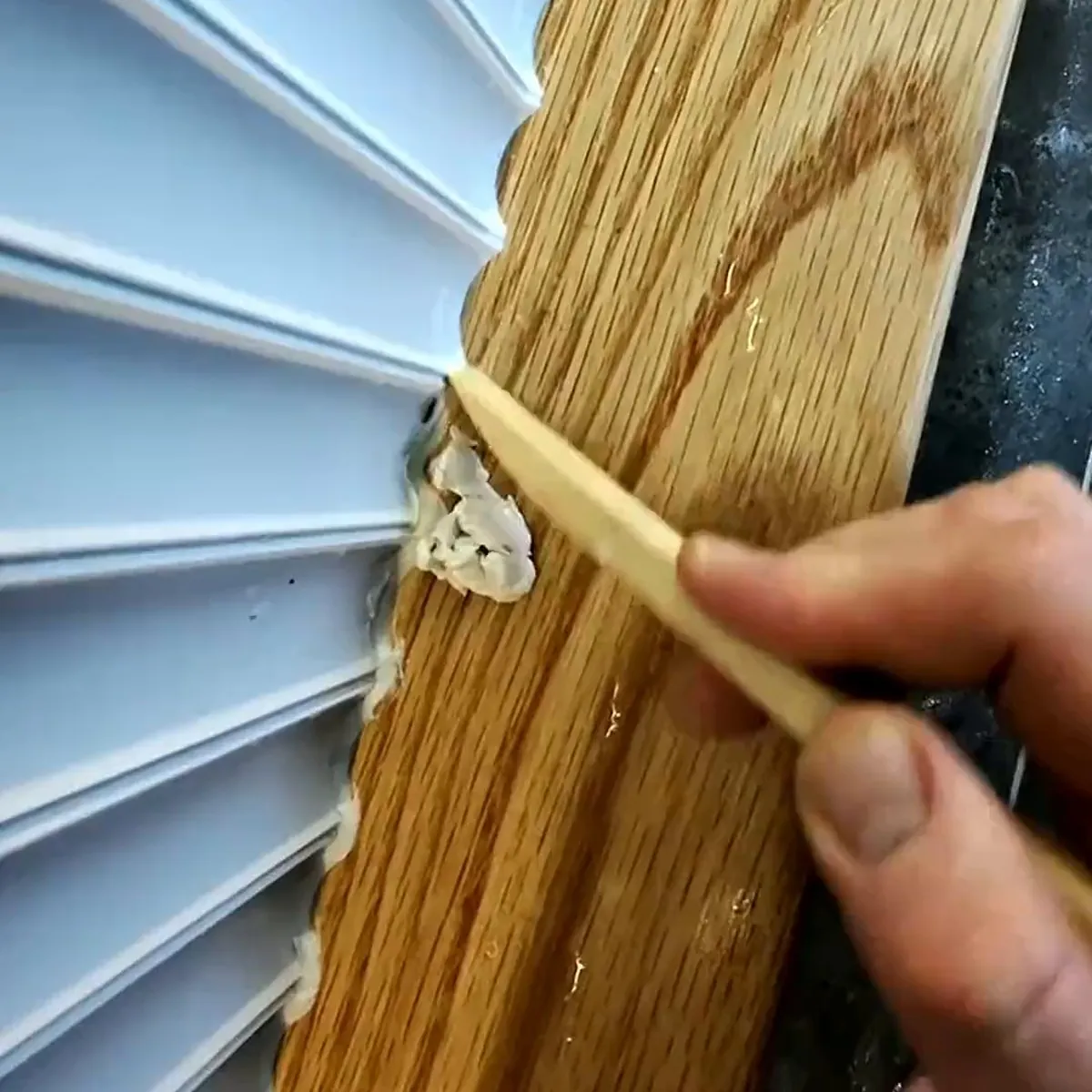
How to post it on Mastic Man
Posting a job is free. Choose the business option and the new-build and plot mastic or commercial and industrial category, then give:
- the number of plots, units or rooms, and a rough count or length of each type of joint
- the specification and colours, as above
- the programme: when the area is ready, when it must be finished and whether work can be split into visits
- access and site rules: parking, working hours, inductions, CSCS cards and any permits
- whether you supply materials or the applicator does
- photos of a finished room or of the joints as they stand
Up to 3 applicators can claim each job. Each one sends a short message, usually with a guide price and how they would approach it, and you choose who to work with. Your contact details stay private until you do. Applicator numbers vary by area, so we cannot promise a response to every job, but a clear post with photos gives you the best chance of good replies.
Handover and snagging
Ask for photos of each room or plot when it is finished, and walk the work before the cleaners go through. Common snags are sealant smeared on to skirting or flooring, beads that stop short of a corner, and joints that have opened because something moved after sealing. Note them room by room so the applicator can clear them in one visit. If a home has already been handed over, our guide on new-build sealant snagging explains who usually fixes what.
If you have bathrooms to reseal as well, see bathroom and kitchen resealing, or find applicators by area on the find a mastic man page, such as Manchester or Birmingham.
Got a sealant job?
Post it once, compare up to 3 applicators
Describe the job, add photos and your postcode district. It is free, and your contact details stay hidden until you choose.
Mastic or sealant applicator?
Find sealant work near you
Browse jobs free, then subscribe to respond: 30 days free, then £29.99/month, cancel anytime.