For homeowners and contractors
New-Build Sealant Snagging: Who Fixes It?
Sealant in a new home often cracks as the house dries out. Here is how to tell if it is the builder's job, how to report it, and what to do if it is not.
· 4 min read · General information, not professional advice.
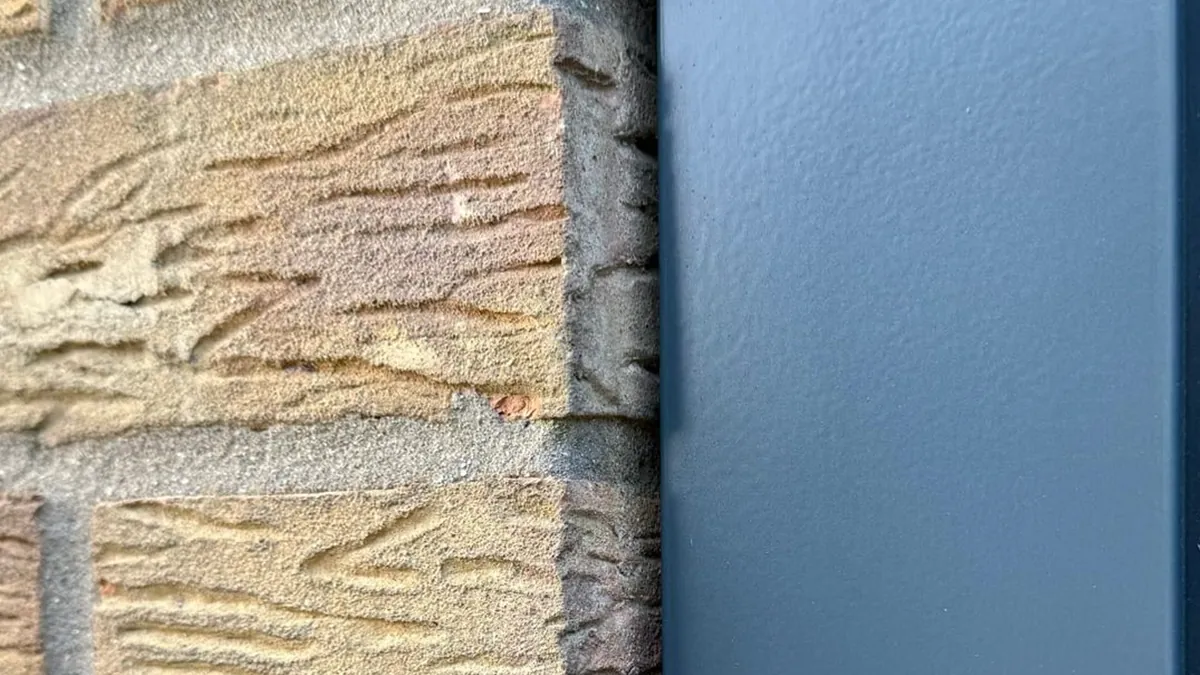
You have moved into a new-build home and, a few months in, the silicone round the bath has split, the bead along the worktop has a gap, or the mastic round a window frame looks lumpy or has pulled away from the brick. The question is not only how to fix it, but who pays. This guide helps you work out whether it is a snag for your builder or a maintenance job for you.
Why sealant cracks in new homes
New houses move as they settle in. Timber joists, floorboards and studwork dry out and shrink over the first year or two, especially once the heating runs through a winter. Sealant is meant to flex, but a thin bead, a narrow joint or a dusty surface can only take so much movement before it splits or lets go.
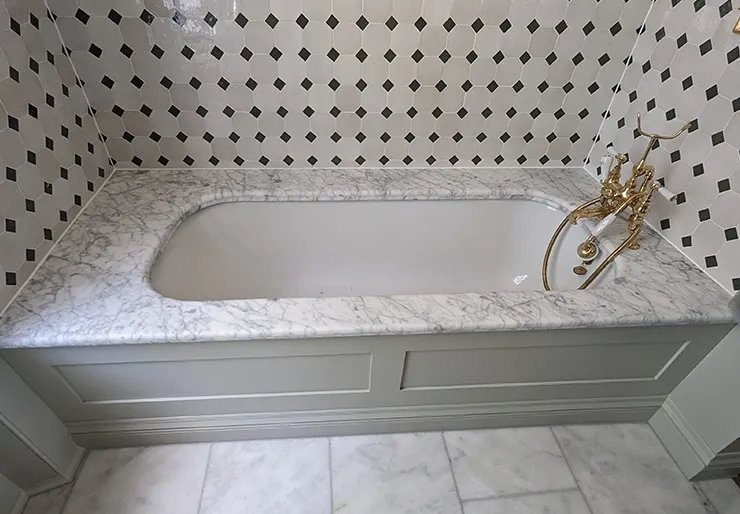
Baths are a classic example. A bath sealed while empty drops a little when filled with water and a person, stretching the joint every time, so the bead often tears along the back edge within months.
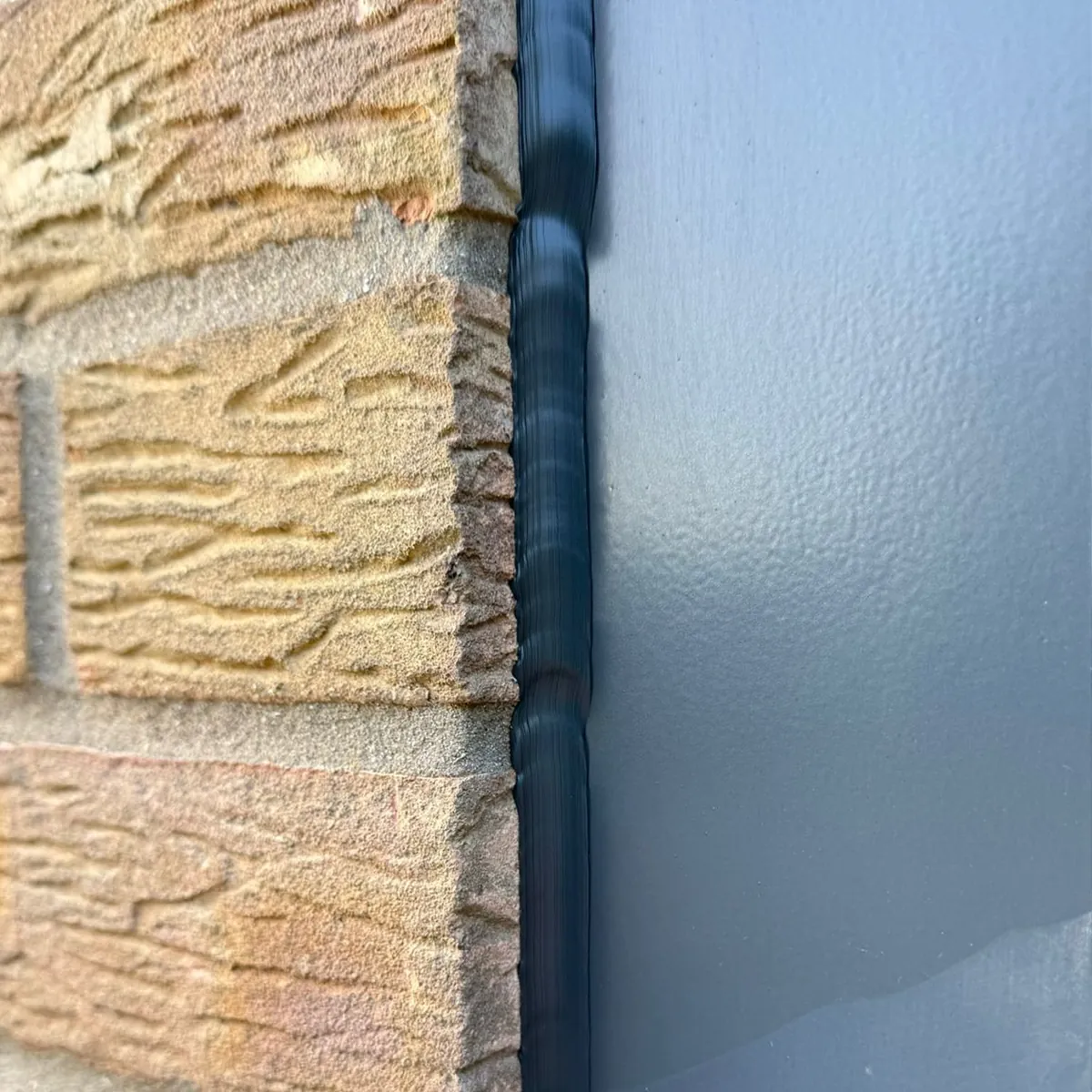
Outside, mastic round window and door frames faces sun, rain and frost from day one, and rushed or lumpy joints tend to fail first.
Is it the builder's job?
Most new homes in the UK come with a new-home warranty from a provider such as NHBC or LABC Warranty. Under most policies, the builder must put right defects reported in the first two years. After that, the cover is usually limited to bigger structural problems.
Whether failed sealant counts as a defect depends on the policy and the cause. Sealant that was badly applied, is missing, or has failed because the joint was the wrong size is often treated as the builder's problem in that early period. Sealant that has simply aged, been damaged, or failed through normal shrinkage may be treated as maintenance, which falls to you. Policies differ, so check the defects and maintenance sections of your warranty documents.
How to report a sealant snag
If you think it is a defect, report it to the developer's customer care team in writing, even if you also phone. Keep it specific:
- List each joint. Say which room or which window, and what you can see: a split along the back of the bath, a gap at the worktop, a bead that has come away from the brick.
- Take dated photos. One close-up of each joint and one wider shot so it is clear where it is.
- Mention any water. A damp patch on a ceiling, a stain under a window or swelling at the foot of a door frame makes the issue more urgent, and the builder should know.
- Keep copies of every email and reply.
Try not to reseal it yourself before the builder has looked: once a joint has been redone, it is much harder to show the original work was at fault. If you cannot agree with the developer, ask your warranty provider about its dispute resolution service.
When the job is yours
Sometimes the sealant is your responsibility: the two years have passed, the developer has declined, or you would rather have it done properly now than wait. A good reseal usually means cutting out the original bead completely, cleaning and drying the joint, adding a backing rod where the gap is deep, and using a flexible sealant suited to the job. See our pages on bathroom and kitchen resealing and window and door mastic for what each involves.
If you have been searching for a "mastic man near me", you can post the job free on Mastic Man, or browse local pages such as Milton Keynes, Leeds and Bristol on our find a mastic man page. Anyone can post, whether you own the home, let it out or manage it. To get useful replies, include:
- The age of the house.
- What the builder has said, if you reported it, and anything they have already redone.
- A photo of every joint you want doing, plus a wider shot of each room or wall.
- Access details, such as windows above a garage roof.
- Your postcode district, for example MK42 or LS6, never your full address.
Up to 3 applicators who cover your area can claim the job and send a short message with a guide price. Applicator numbers vary by area, so a reply is not promised, but you can cancel the job at any time. You compare the replies, choose one, and only then are your contact details shared.
A quick checklist for your first year
Walk round the house before the end of your first year and again before the end of the second. Check the joints round the bath, shower tray, basin, sink and worktops, then every window and door frame outside. Anything split, gappy or missing goes on your snag list while the builder is still responsible. For what failing sealant looks like, see signs your bath sealant needs replacing and the window and door mastic guide.
Got a sealant job?
Post it once, compare up to 3 applicators
Describe the job, add photos and your postcode district. It is free, and your contact details stay hidden until you choose.
Mastic or sealant applicator?
Find sealant work near you
Browse jobs free, then subscribe to respond: 30 days free, then £29.99/month, cancel anytime.